Offshore
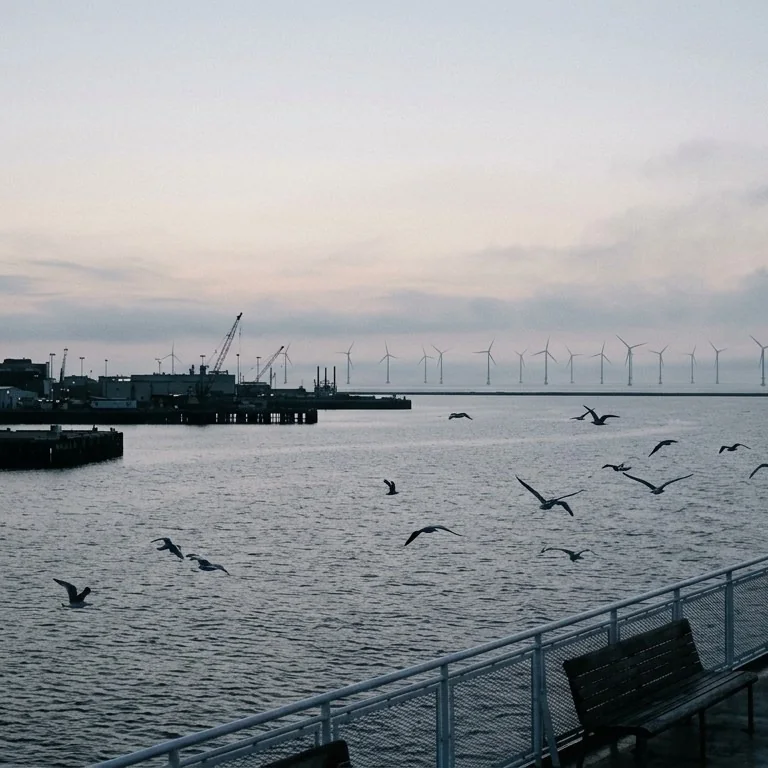
On the morning ferry, the turbines are simply on the horizon now
Normalization is its own milestone. What it means when a fleet stops being news and starts being infrastructure.
Read the analysis →Analysis · Offshore Wind
The first utility-scale offshore wind farm to deliver power in the United States has stopped being a first. It is becoming part of the day's quiet arithmetic on the New England grid, and that transition is the story.
Read the full analysis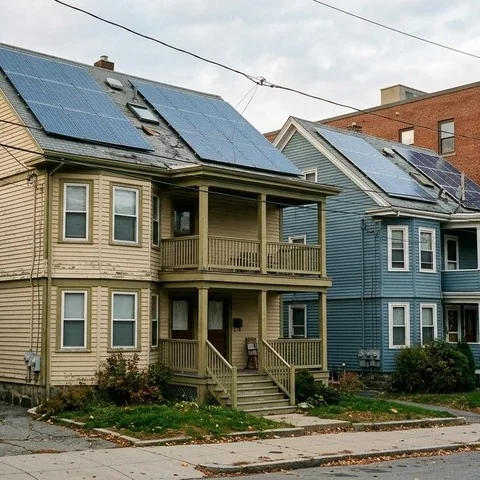
Every story is dated and tied to its sources. This is the running record of what we have published.
Sept. 242026
First power is old news. The useful questions now are operational: how the project rides winter cold snaps, what its output does to the evening ramp, and what it proves for the rounds that follow.
Sept. 232026
The grid operator's seasonal outlook is part forecast, part warning label, and it hints at what a cold snap could mean for your winter power bill.
Sept. 222026
Most of Boston's housing is multifamily, and most of its roofs are rented to no one. A close look at why owner-occupied three-deckers are where rooftop solar actually pencils out in the city.
Sept. 212026
Filings, intervenors, briefing schedules: a field guide to following a heating electrification docket at the Department of Public Utilities.
Sept. 192026
Installer queues, tenant billing, and the old boiler in the basement. The practical questions from small landlords, answered in plain language.
Sept. 182026
Battery projects now make up a large share of new proposals in ISO-NE's queue. Queue position is a promise, not a project. Here is how to read both.
Sept. 172026
The city's building emissions ordinance has made thousands of large buildings report their carbon every year.
Sept. 162026
The state's main solar incentive pays on production, and the rate it pays depends on which block your project lands in.
Sept. 152026
The state's efficiency program runs on three-year plans approved by utility regulators.
Sept. 142026
The country's first purpose-built offshore wind port is a working piece of infrastructure and a bet.
Updated each morning from public records: what is generating, what is waiting in line, and what the season demands.
Figures here are rounded and stated conservatively. When a number is not in a primary document, we say so in the entry.
Two standing briefs, kept short. The full stories run in the list above.
Normalization is its own milestone. What it means when a fleet stops being news and starts being infrastructure.
Read the analysis →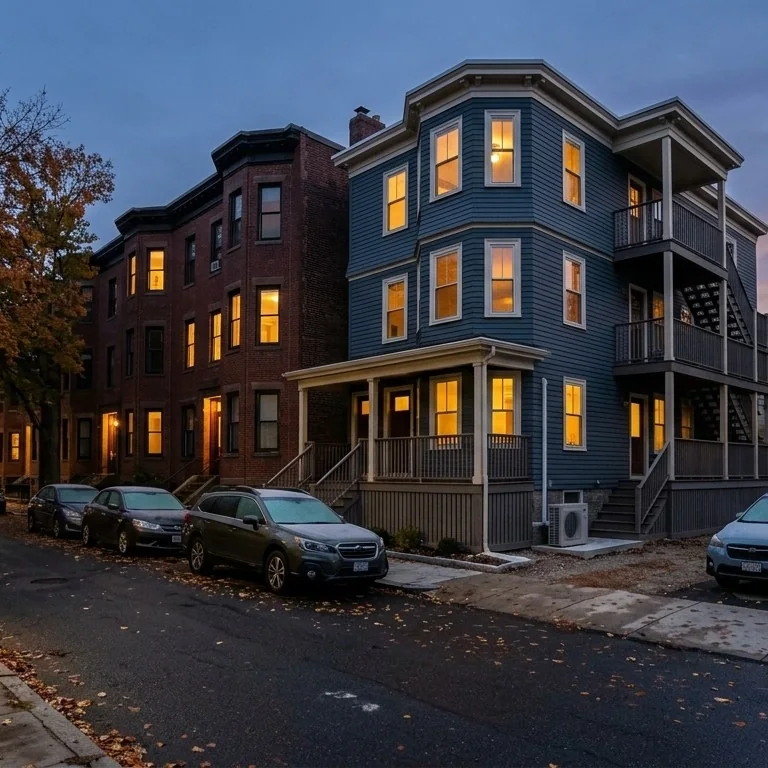
Heat pumps, weatherization, LED streetlighting. The city's building stock turns over one quiet retrofit at a time.
Read the story →Our rules, published where readers can hold us to them.
Boston Renewable Energy is a small independent daily publication covering clean and renewable energy in Boston and Massachusetts: the ISO-NE grid, Department of Public Utilities filings, rooftop and community solar, offshore wind, and the local permitting and incentive machinery that decides what actually gets built. We read the public record and write up what it means for people who live here.
We are not an advocacy shop and not a trade outlet. A grid operator's filing is news here. So is a triple-decker owner's retrofit, done properly.
Send documents, data, or corrections to tips@bostonrenewableenergy.com.